
AI-Powered Solutions · Process Automation
Custom automation built around the processes you actually run.
We scope and build automation for warehouse operations, back-office workflows, and document processing — integrated with your existing systems and designed around how your team actually works.
Our solution areas
Five types of process automation.
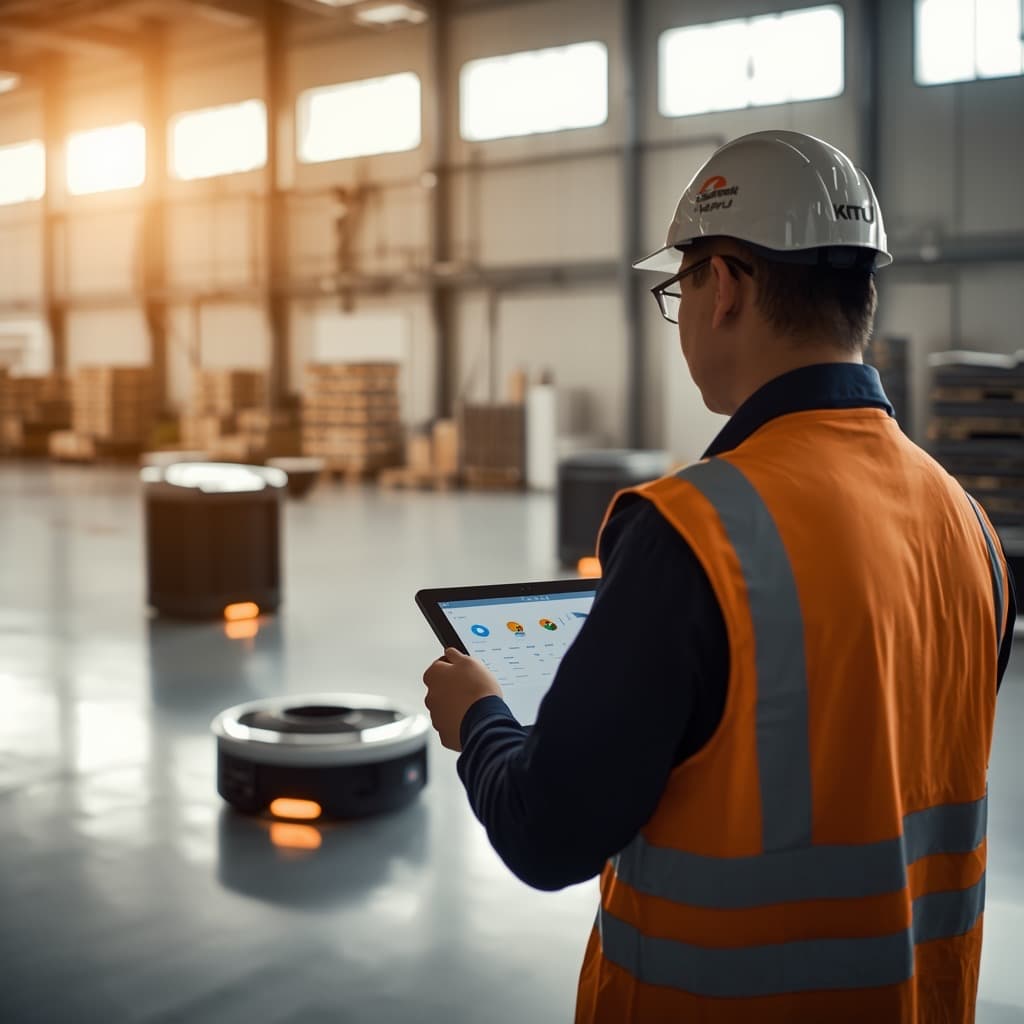
Warehouse and logistics automation
For distribution centres and fulfilment operations dealing with growing volume and labour constraints — from AS/RS integration to AMR fleet coordination.
- AS/RS integration and management
- AMR fleet coordination
- WMS integration
- Receiving, put-away, picking, and dispatch automation
Back-office process automation
Administrative and operational processes that currently depend on manual effort, spreadsheets, or email chains — automated end-to-end.
- Purchase order and invoice processing
- HR onboarding and offboarding workflows
- Compliance document tracking
- Reporting compilation and distribution
Intelligent document processing
Extract structured data from unstructured documents using AI-powered OCR and classification — routed directly into your ERP or workflow system.
- Invoices and purchase orders
- Delivery notes and proof of delivery
- Insurance and financial forms
- Identity and compliance documents
Robotic process automation
Screen-level automation for processes that live entirely in existing software. Fast to deploy. No API required — works across legacy systems.
- ERP data entry and migration
- Cross-system reporting consolidation
- Regulatory submission preparation
- Legacy system data extraction
AI-driven workflow optimisation
Beyond simple automation — using AI to make routing decisions, prioritise work queues, predict bottlenecks, and improve process performance over time.
- Dynamic work routing based on workload and SLA risk
- Predictive maintenance scheduling
- Automated exception handling with escalation logic
- Process mining to identify automation candidates
Our process
From discovery to live automation.
Process Discovery
We map your current processes — what's manual, how long it takes, what the error rate is, and what it costs. We use process mining tools and structured workshops.
Automation Prioritisation & KPI Definition
We rank automation candidates by ROI, implementation complexity, and strategic impact. Before any build is approved, we define the measurable KPI for each automation.
Design & Build
We design the automated workflow, build the integrations, and configure the automation logic. We test against real operational data before going live.
Controlled Rollout
We deploy in parallel with existing processes, verify accuracy at every step, and transition fully only when confidence is high.
Monitoring, Drift Detection & Optimisation
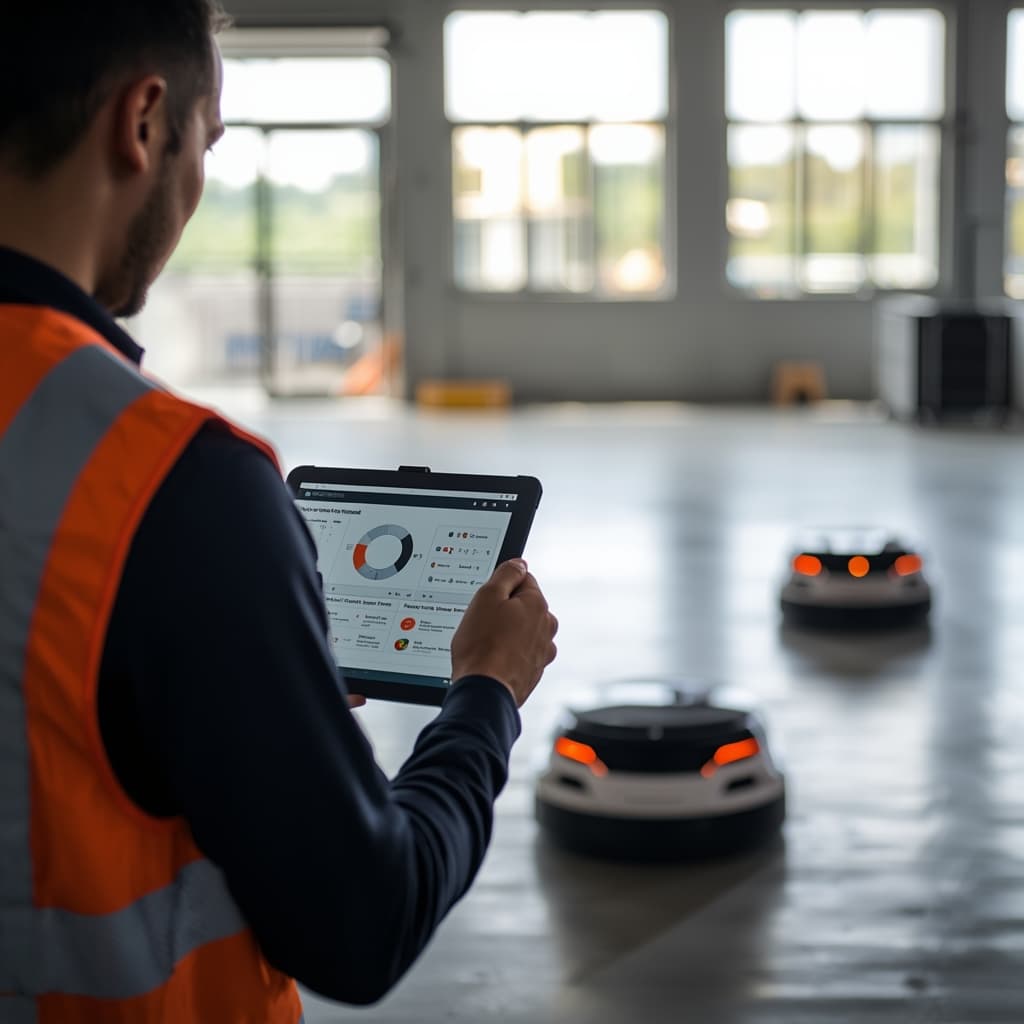
Post-deployment, we monitor performance against the KPIs defined upfront. For AI-driven automations, we watch for model drift, track exception rates, and update routing logic as your operations evolve.
MLOps included
Automation that works on day one should work better in year two.
Post-deployment, we monitor performance against the KPIs defined upfront. For AI-driven automations, we watch for model drift — when the AI's decisions start diverging from expected outcomes as real-world data changes.
- Exception rate monitoring
- Processing accuracy tracking
- Throughput and SLA reporting
- Model drift detection for AI automations
- Scheduled retraining and logic updates
Tell us what your team is doing that they shouldn't have to.
Bring us a specific process — manual, repetitive, error-prone, or time-consuming. We'll assess whether automation is the right answer and what it would take.